
Parenting Styles That Truly Work Best
Every parent dreams of raising happy, resilient, and kind children. Yet the path to achieving that goal is often filled with trial and error, second-guessing, and the occasional late-night search for answers. While no single method guarantees perfection, certain approaches consistently stand out as the best parenting styles for creating balanced households and emotionally secure children.
The Foundations of Parenting Success
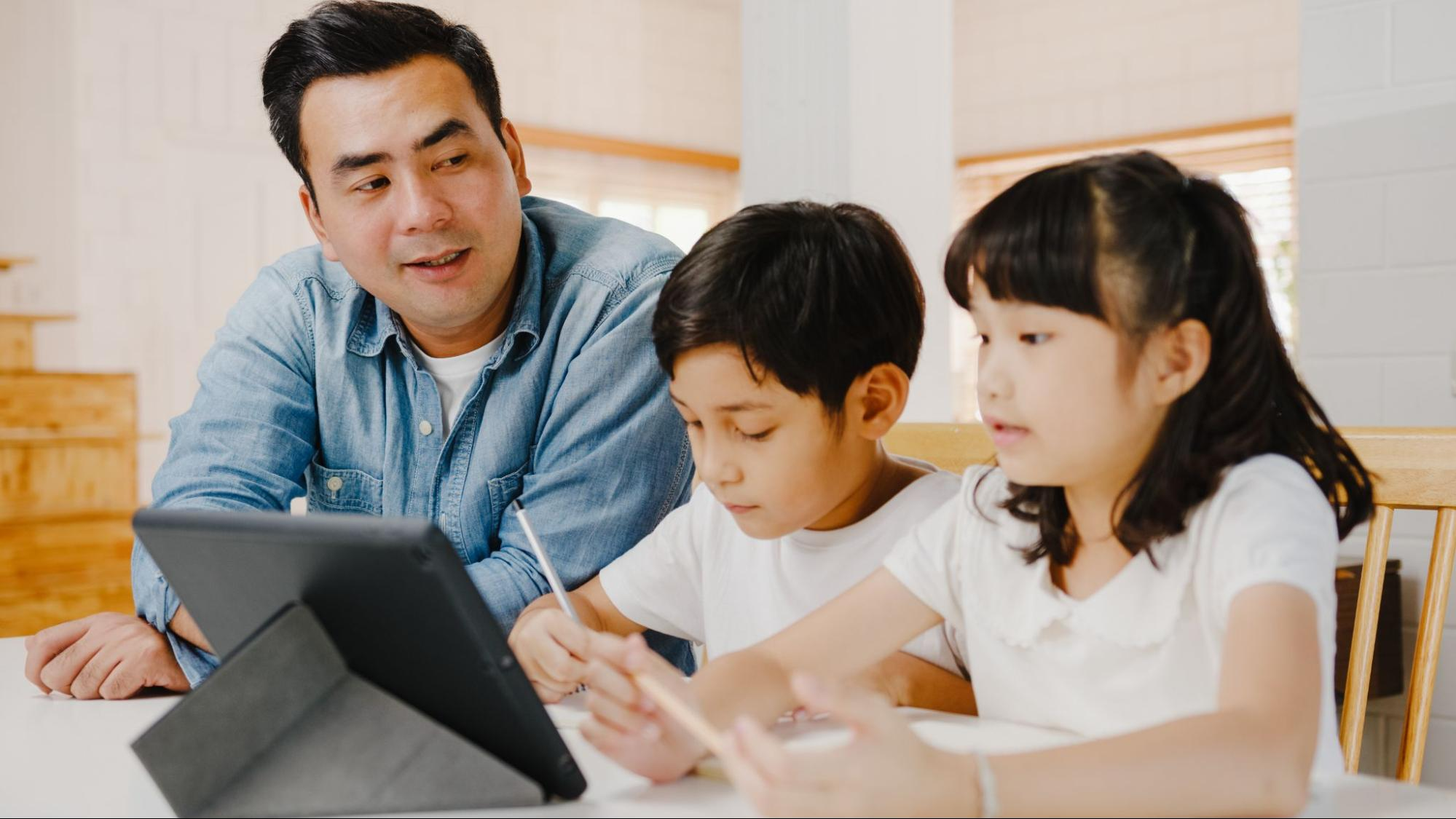
At the core of strong parenting lies connection. Children crave guidance, yet they also yearn to be understood. Parents who can balance authority with empathy often discover smoother interactions and fewer conflicts. These workable parenting tips are not about rigid rules but about creating a nurturing environment where respect flows both ways.
One critical component is consistency. Children thrive when they know what to expect. Whether it is a daily routine, clear boundaries, or follow-through on promises, consistency communicates reliability. When paired with warmth, this structure becomes a cornerstone of parenting done right.
Authoritative Parenting: The Gold Standard
Among the best parenting styles, the authoritative approach frequently rises to the top. This method combines firm boundaries with genuine warmth. Instead of ruling with an iron hand or giving free rein, authoritative parents strike a balance. They explain the reasons behind rules, encourage independence, and listen actively to their children’s concerns.
Children raised under this approach often exhibit higher self-esteem, stronger problem-solving abilities, and greater emotional regulation. The combination of guidance and freedom gives them room to grow while ensuring they feel supported every step of the way.
Gentle Parenting: Kindness with Boundaries
Another approach gaining momentum is gentle parenting. This style emphasizes compassion, active listening, and calm communication. It recognizes that discipline is more effective when paired with empathy rather than fear. Simple practices, such as kneeling to a child’s level during a conflict or validating emotions before correcting behavior, are transformative.
These moments of connection become effective family methods that reduce power struggles and encourage cooperation. Children who experience this style often feel safer expressing themselves, which in turn fosters trust and mutual respect within the household.
Positive Reinforcement: Power in Encouragement
Children thrive on recognition. By focusing on what children do right, rather than constantly correcting mistakes, parents can nurture confidence and motivation. This does not mean showering children with empty praise but offering specific feedback. For example, “I noticed how patiently you waited for your turn” reinforces desirable behavior while showing that their effort matters.
This strategy is not only one of the most workable parenting tips but also a powerful tool in shaping long-term character. Encouragement breeds resilience, and resilience equips children to face life’s inevitable setbacks.
Family as a Team
Parenting does not happen in isolation. When the family operates as a collaborative unit, children learn responsibility and cooperation. Shared decision-making, such as involving children in discussions about household rules, instills a sense of ownership. These effective family methods transform ordinary routines into opportunities for bonding.
For instance, assigning age-appropriate chores teaches accountability while emphasizing teamwork. Regular family meetings create space for open dialogue, ensuring every member feels heard. These practices go beyond discipline; they build solidarity and trust.
Adaptive Parenting: Flexibility in Action
No two children are identical, which is why adaptability is crucial. An approach that works for one child may not suit another. Adaptive parenting acknowledges these differences and tailors strategies accordingly. Some children require more structure, while others thrive with greater autonomy.
Parents who remain flexible discover that adaptability itself is a hallmark of parenting done right. This willingness to adjust not only respects each child’s individuality but also reduces frustration for both parent and child.
Emotional Intelligence at the Forefront
Modern parenting places a spotlight on emotional intelligence, and for good reason. Helping children recognize, name, and manage emotions equips them with tools for lifelong success. Instead of dismissing feelings with phrases like “Stop crying” or “Don’t be angry,” emotionally intelligent parenting validates the experience while guiding the child toward healthy expression.
This practice is deeply aligned with the best parenting styles, as it encourages empathy, patience, and understanding—qualities that benefit children both inside and outside the home.
Common Missteps to Avoid
While many strategies prove effective, pitfalls still exist. Overly authoritarian parenting may yield short-term compliance but often erodes trust. Permissive parenting, on the other hand, may lead to confusion and insecurity due to the absence of boundaries. The goal is not perfection but balance.
Avoiding extremes and aiming for middle ground, where firmness meets kindness, is the essence of workable parenting tips that last through the years.
Long-Term Rewards of Balanced Parenting
The benefits of thoughtful parenting stretch far into the future. Children raised under effective family methods often become adults who exhibit self-confidence, emotional resilience, and respect for others. Parents, too, enjoy more fulfilling relationships with their children, built on trust and communication rather than conflict.
The ripple effect cannot be overstated. A child raised in a nurturing, respectful home is likely to carry those principles into friendships, careers, and eventually their own families. This continuity ensures that the legacy of parenting done right extends across generations.
Parenting will always involve moments of doubt, frustration, and uncertainty. Yet with careful intention, patience, and a focus on connection, families can thrive. The best parenting styles are not rigid formulas but adaptable philosophies rooted in empathy, structure, and trust. By embracing workable parenting tips, adopting effective family methods, and committing to parenting done right, parents equip their children with the skills and confidence to flourish in an ever-changing world.
The art of parenting is, at its core, an act of love. When that love is expressed through thoughtful guidance and consistent kindness, the results speak for themselves.
