
How to Choose the Best Memory Care in Moorhead MN for Your Loved One
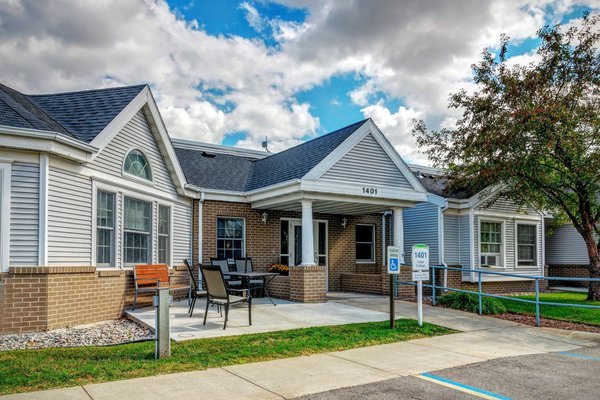
Choosing memory care for a loved one is one of the most emotional and important decisions a family can face. When memory loss begins to affect daily life, safety, and independence, families often realize that specialized care is necessary. Finding the right memory care in Moorhead, MN, involves understanding your loved one’s needs, evaluating care environments, and planning for the future. With the right approach, you can make a decision that provides comfort, dignity, and long term support.
Understanding What Memory Care Really Means
Memory care is designed specifically for individuals living with Alzheimer’s disease or other forms of dementia. Unlike general senior care, memory care focuses on structured routines, specialized supervision, and environments that reduce confusion and anxiety.
Residents in memory care typically receive assistance with daily activities such as bathing, dressing, and medication management. More importantly, they benefit from caregivers trained to respond to memory related challenges with patience and understanding. Choosing the right care setting can significantly improve the quality of life for both residents and their families.
Recognizing When Memory Care Is Needed
Families often struggle with knowing when it is time to move from home care or assisted living into memory care. Some common signs that additional support may be necessary include increased confusion, wandering, frequent forgetfulness, mood changes, or difficulty managing basic tasks.
Safety concerns are often the tipping point. When memory loss begins to put a loved one at risk, a structured care environment can provide the supervision and support they need. Early planning allows families to make thoughtful choices instead of rushed decisions during a crisis.
Why Location Matters for Families in Moorhead, MN
Staying close to home is important for many families. Choosing memory care in Moorhead, MN, allows loved ones to remain near familiar places, medical providers, and family members. Regular visits help residents feel connected and supported while giving families peace of mind.
Proximity also makes coordination easier. Families can attend care meetings, communicate with staff, and stay involved in daily life. For those comparing options with nursing homes in Fargo, ND, location can play a key role in balancing convenience with the level of specialized care needed.
Evaluating the Care Environment
The physical environment has a powerful impact on individuals with memory loss. When touring memory care communities, pay close attention to how the space is designed and maintained.
Key features to look for include:
- Secure entrances and exits to prevent wandering
- Clear signage and simple layouts
- Calm lighting and reduced noise
- Comfortable common areas and private spaces
These elements help residents navigate their surroundings with confidence and reduce agitation caused by overstimulation or confusion.
Staff Training and Quality of Care
The heart of any memory care program is the caregiving team. Staff members should be trained specifically in dementia care and understand how to communicate effectively with individuals experiencing memory loss.
Ask questions about caregiver experience, ongoing education, and staff to resident ratios. Well trained caregivers know how to redirect behaviors, provide reassurance, and maintain a calm atmosphere. This level of care builds trust and helps residents feel safe and respected.
Daily Routines and Meaningful Activities
A predictable daily routine is essential in memory care. Consistency helps residents feel grounded and reduces anxiety. Structured schedules that include meals, rest, and activities provide a sense of normalcy and purpose.
Meaningful activities may include music, art, gentle exercise, storytelling, or sensory experiences. These activities are not just entertainment. They support cognitive function, encourage social interaction, and promote emotional well being. When evaluating memory care options, ask how activities are tailored to different stages of memory loss.
Health Monitoring and Medical Support
Memory care residents often have complex health needs. Ongoing monitoring ensures that changes in physical or cognitive health are identified early. Medication management is especially important, as memory loss can make it difficult for individuals to follow treatment plans on their own.
Some families compare memory care with nursing homes in Fargo, ND, when medical needs increase. Understanding the level of healthcare support available helps families choose a setting that meets both current and future needs without unnecessary transitions.
Safety Measures That Protect Residents
Safety is a top priority in memory care. As memory loss progresses, individuals may forget basic safety precautions, increasing the risk of falls or injury.
Look for communities that emphasize safety through:
- Twenty four hour supervision
- Emergency response systems
- Fall prevention strategies
- Secure outdoor areas
Strong safety protocols allow residents to move freely within a protected environment while giving families confidence that their loved one is well cared for.
Family Communication and Involvement
Effective communication between families and care providers builds trust and improves outcomes. The best memory care programs encourage family involvement and keep loved ones informed about changes in health, behavior, or care plans.
Ask how often families receive updates and whether there are opportunities to participate in care planning. Open communication ensures that care remains personalized and aligned with your loved one’s needs and preferences.
Understanding Costs and Planning Ahead
Memory care is an investment, so understanding costs is an essential part of the decision making process. Ask for clear explanations of what services are included and how pricing may change as care needs increase.
Financial planning may involve long term care insurance, benefits, or other resources. Being informed helps families avoid unexpected expenses and plan confidently for the future.
Transitioning Into Memory Care
Moving into memory care can be challenging for both residents and families. Familiar items from home, such as photos or favorite blankets, can help ease the transition. Maintaining routines and visiting regularly also provides reassurance during this adjustment period.
It is normal for transitions to take time. With patience and support, many residents begin to feel comfortable and engaged in their new environment.
Making a Confident and Compassionate Decision
Choosing memory care is not just about comparing features. It is about finding a place that feels right for your loved one. Observe interactions between staff and residents, listen to your instincts, and ask thoughtful questions.
The right memory care in Moorhead, MN, should provide compassionate support, structured routines, and a safe environment that honors your loved one’s dignity. By taking the time to explore options and plan ahead, families can make a decision that supports both immediate needs and long term well being.
Memory loss changes lives, but the right care can make a meaningful difference. Thoughtful planning, informed choices, and ongoing involvement help ensure that your loved one receives the understanding and support they deserve. Choosing the best memory care is an act of love that brings comfort, stability, and peace of mind for the entire family.

